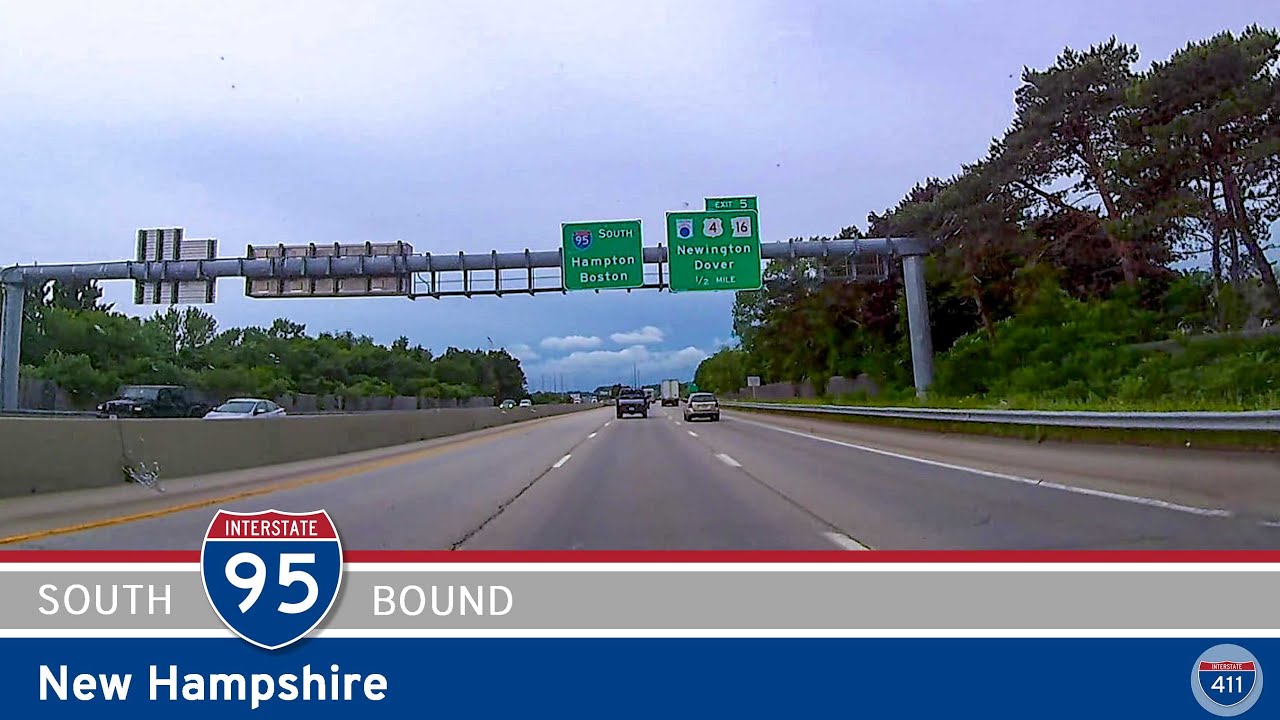
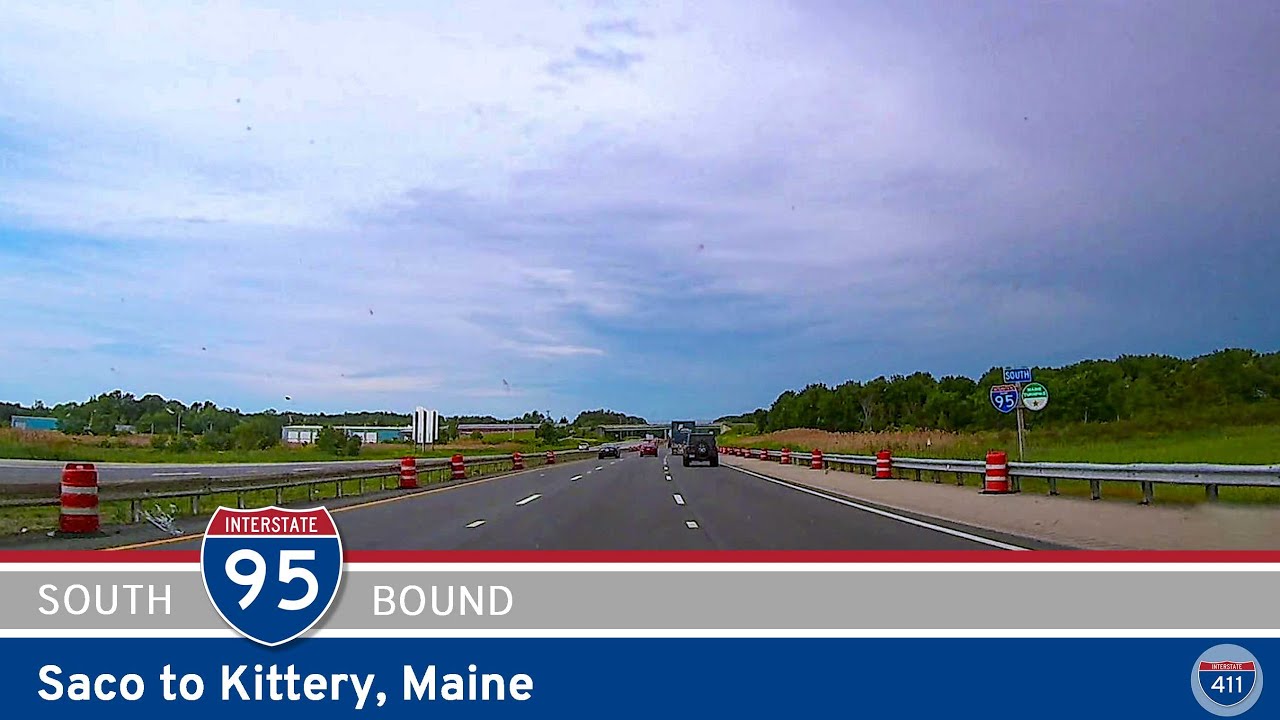
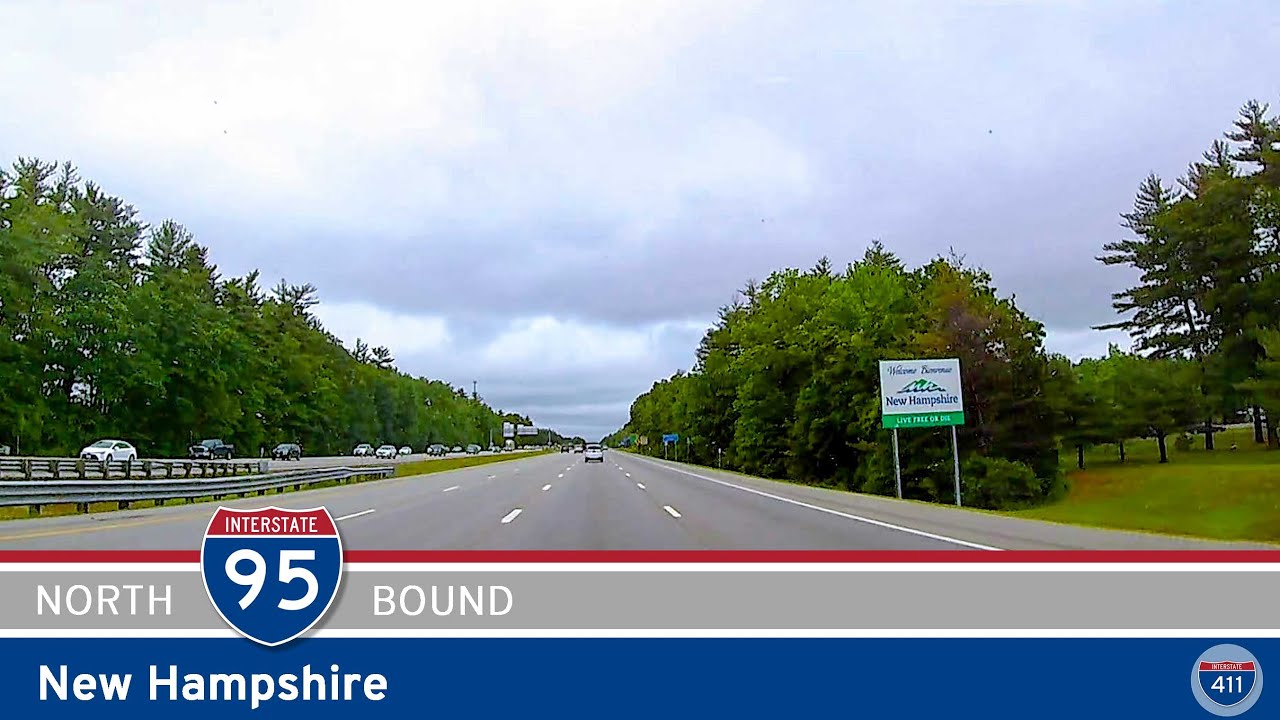
Interstate 95 (I-95) is the longest north–south Interstate Highway in the United States, stretching approximately 1,920 miles from Miami, Florida, to Houlton, Maine, at the Canadian border. As a vital transportation corridor on the East Coast, I-95 connects major metropolitan areas including Miami, Jacksonville, Savannah, Richmond, Washington D.C., Baltimore, Philadelphia, Newark, New York City, New Haven, Providence, Boston, and Portland. Its route is essential for both passenger travel and freight movement along the densely populated Atlantic Seaboard.
Originally authorized in the Federal-Aid Highway Act of 1956, I-95 was designed to unify pre-existing roadways under a single, continuous corridor. Over the decades, various segments were reconstructed or rerouted, and by 2018, all major gaps—such as the infamous missing link in central New Jersey—were fully connected. Notable features along I-95 include the George Washington Bridge over the Hudson River, the Woodrow Wilson Bridge over the Potomac River, and the Pearl Harbor Memorial Bridge in New Haven.
I-95 traverses 15 states plus the District of Columbia, more than any other Interstate. It intersects with every major east–west route on the Eastern Seaboard, making it the backbone of commerce and commuter traffic in the region. Despite frequent congestion—especially near major cities—I-95 remains a key artery in America’s Interstate system.