State Highways

Explore America’s diverse network of state highways—regional routes managed by individual states that connect towns, cities, parks, and scenic landscapes.

State highways form the backbone of regional travel across the United States, offering essential connections between cities, rural communities, and major national routes. Managed by individual state departments of transportation, these highways vary widely in scale—from narrow rural byways to multi-lane expressways rivaling interstates in traffic and speed. While numbering systems and signage conventions differ from state to state, each network plays a critical role in local mobility and economic development.

Unlike the federally designated Interstate and U.S. Highway systems, state highways are developed and maintained at the state level, giving them a unique character and flexibility. Some follow historic paths and scenic corridors, while others serve as modern commuter routes or urban spurs. Many are vital links to state parks, natural attractions, and lesser-known destinations that don’t fall within the national systems.

On this site, we highlight a growing collection of notable state highways, organized by region and state. Whether you’re tracing a scenic loop through the mountains, navigating a fast-moving corridor through a metro area, or exploring forgotten rural routes, our guides offer detailed overviews, and video journeys to help you plan your next adventure.

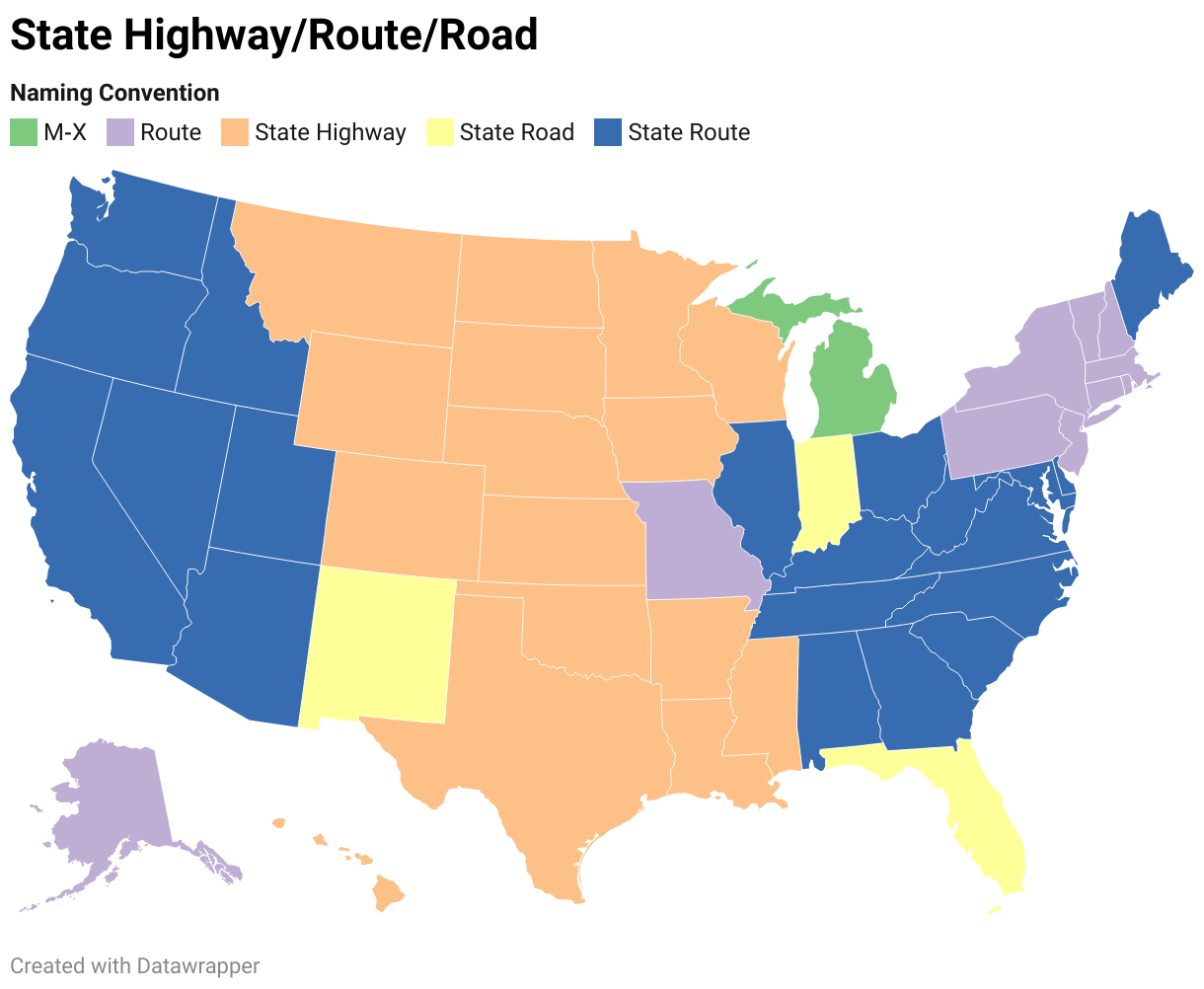
State Highway vs Route vs Road…

State Departments of Transportation use different terminology for their designated road systems, with some states using “state highway,” others “state road,” and still others “state route.” These distinctions, though seemingly minor, often reflect historical and legislative traditions within each state. The choice of a particular term can be tied to the legal language used when the road network was first established or expanded. For example, a state might have initially defined its network as a “system of highways” for commerce and travel, while another may have focused on creating a “system of roads” for local and inter-city connections. The term “state route” is often a more modern designation that emphasizes a specific numbered path for navigation rather than the physical characteristics or purpose of the road itself. While the exact reasoning for each state’s choice is complex and rooted in its unique history, the map on the right provides a visual guide to which term is used where.

Explore State Routes

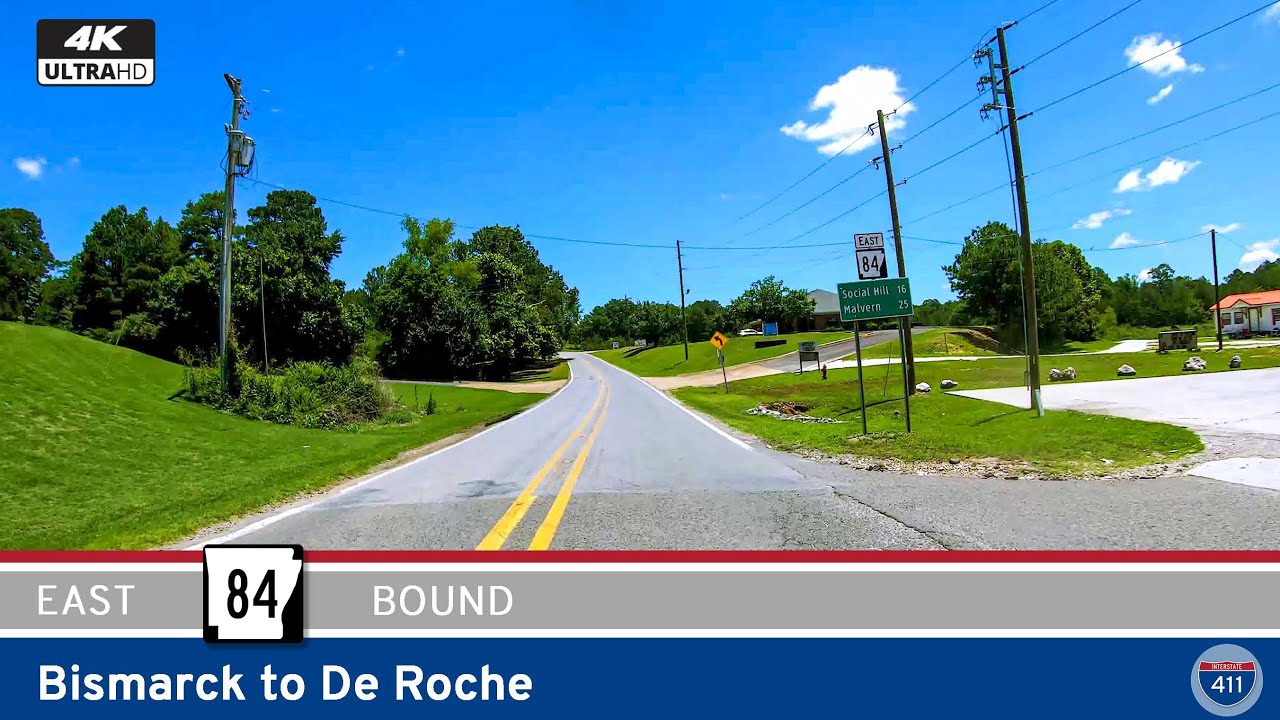
Arkansas Highway 84: Bismarck to De Roche

Arkansas Highway 84: Bismarck to De Roche

Take a relaxing 8-mile drive through rural Arkansas along Highway 84 from Bismarck to De Roche, passing forests, farmland, and quiet countryside in Hot Spring County.

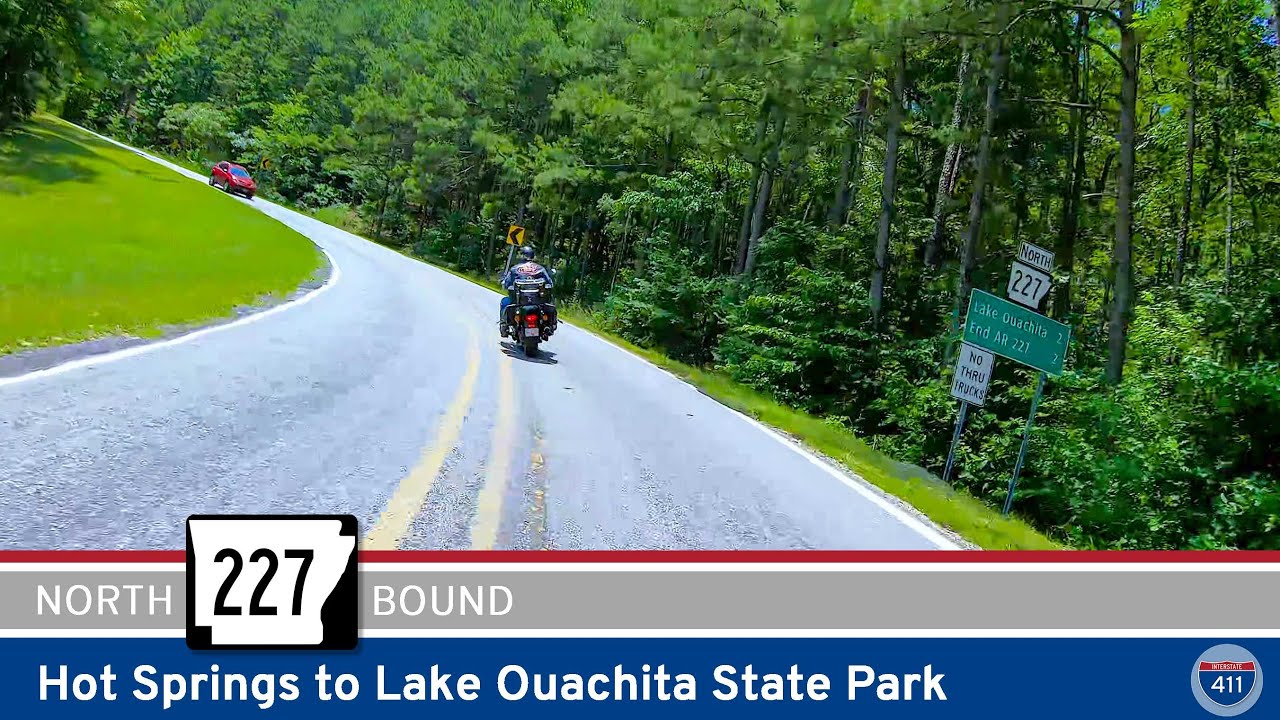
Arkansas Highway 227: Hot Springs to Lake Ouachita State Park

Arkansas Highway 227: Hot Springs to Lake Ouachita State Park

Take a 12-mile scenic drive along Arkansas Highway 227 from the edge of Hot Springs through Mountain Pine to the shores of Lake Ouachita State Park. Explore attractions like the Mid-America Science Museum and end your ride at one of Arkansas’s clearest lakes.

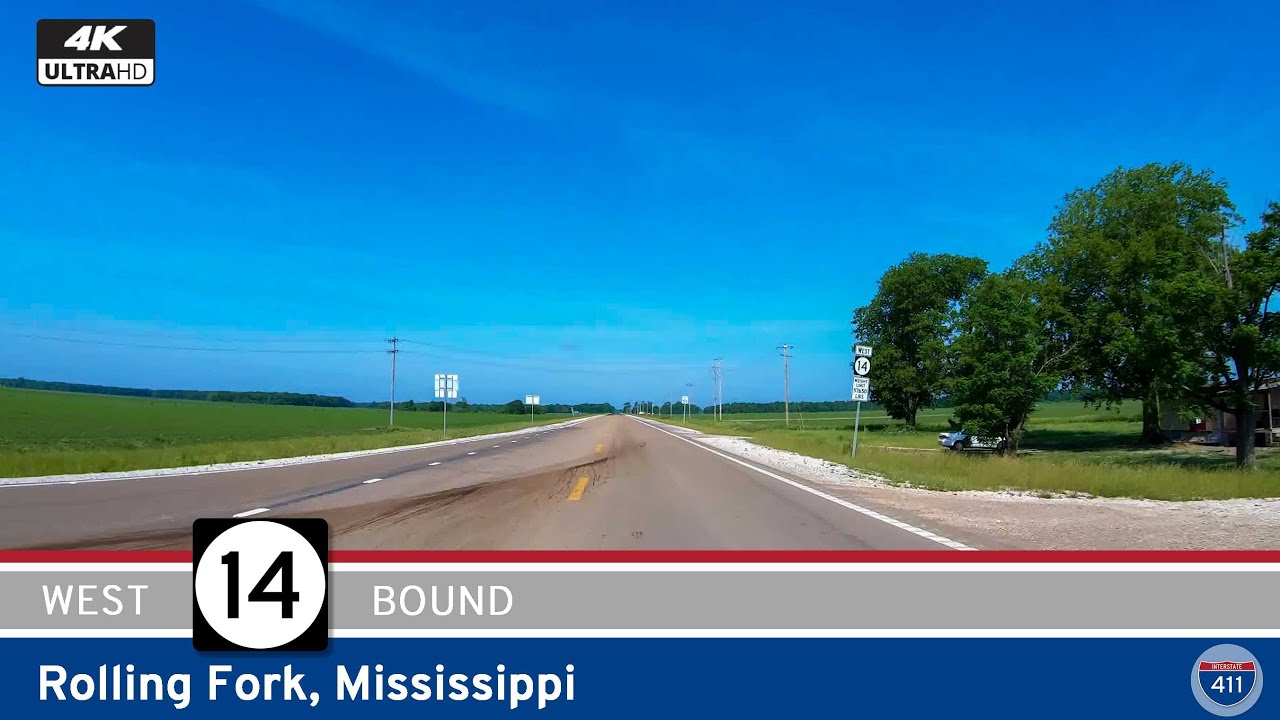
Mississippi Highway 14: Rolling Fork

Mississippi Highway 14: Rolling Fork

Travel five miles west along Mississippi Highway 14 through Rolling Fork, Mississippi, for a short but scenic drive that begins on Race Street and ends at Highway 1. Explore the Mississippi Delta’s quiet charm and history.

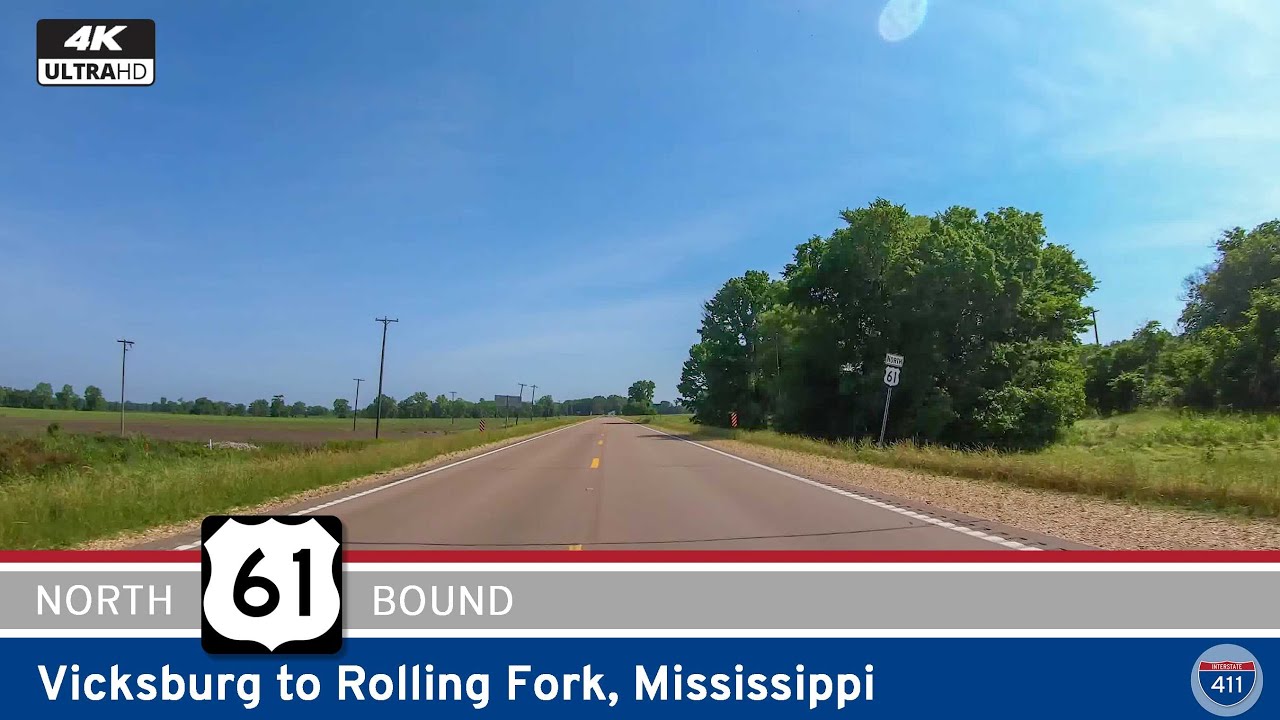
U.S. Route 61: Vicksburg to Rolling Fork – Mississippi

U.S. Route 61: Vicksburg to Rolling Fork – Mississippi

Cruise 43 miles of Mississippi Delta soul along U.S. Route 61 from Vicksburg to Rolling Fork. Discover small towns, blues history, farmland views, and quiet two-lane highway charm on this scenic stretch of the historic Blues Highway.

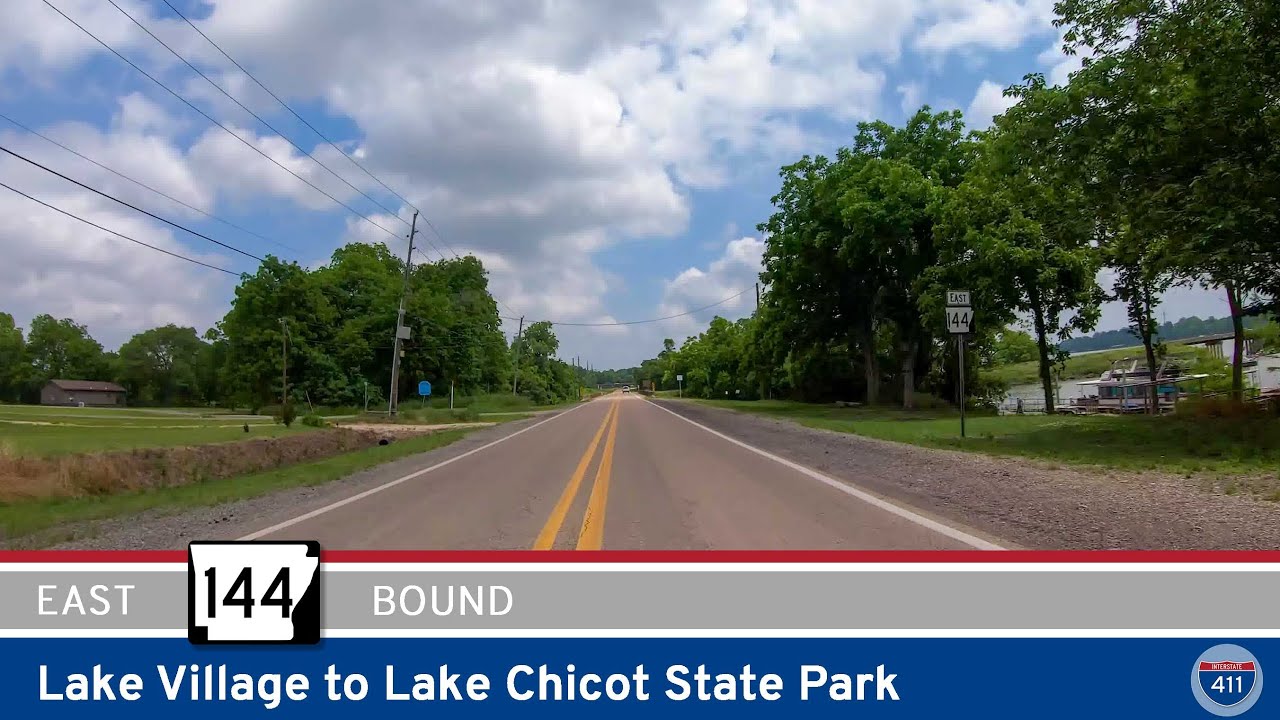
Arkansas Highway 144: Lake Village to Lake Chicot State Park

Arkansas Highway 144: Lake Village to Lake Chicot State Park

Cruise along the tranquil banks of Lake Chicot on Arkansas Highway 144, from Lake Village to Lake Chicot State Park. This 8-mile lakeside drive offers quiet scenery, wildlife viewing, and direct access to one of Arkansas’s most beautiful parks.

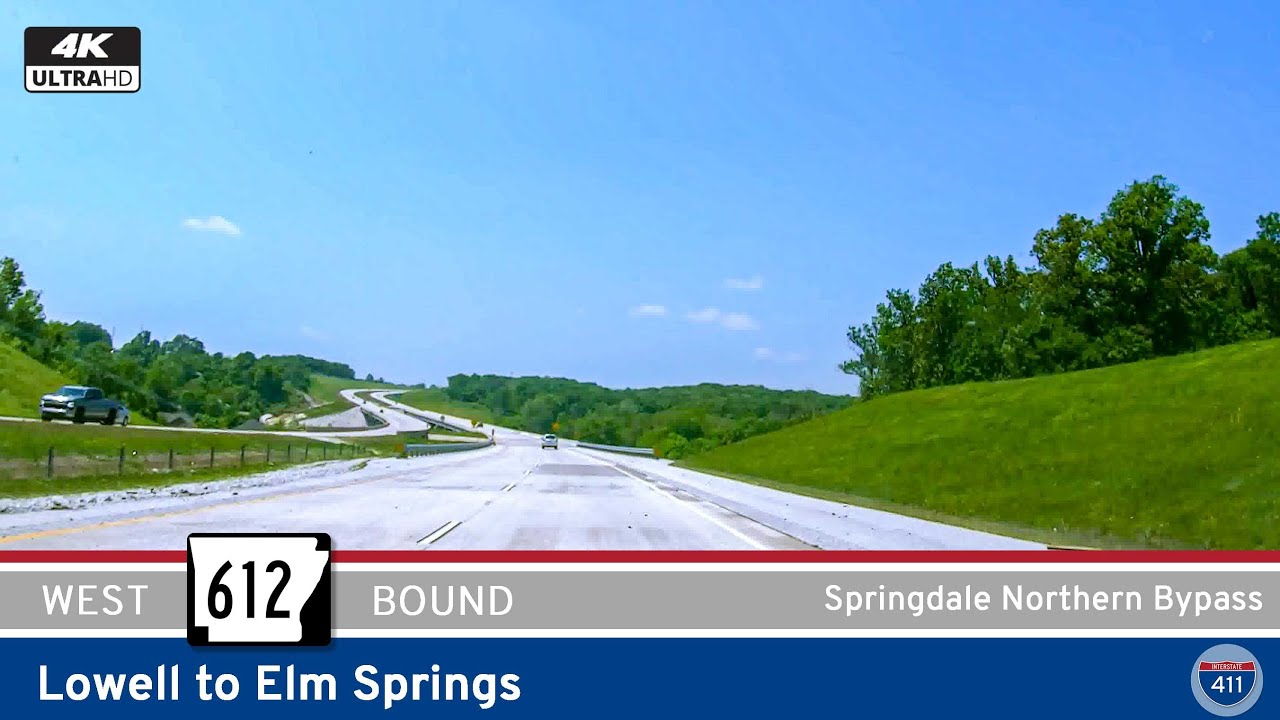
Arkansas Highway 612: Lowell to Elm Springs

Arkansas Highway 612: Lowell to Elm Springs

Explore Arkansas Highway 612, the Springdale Northern Bypass, from Lowell to Elm Springs. This 4-mile stretch is the first segment of the future U.S. Route 412 freeway, offering a fast, scenic route around Springdale’s north side.

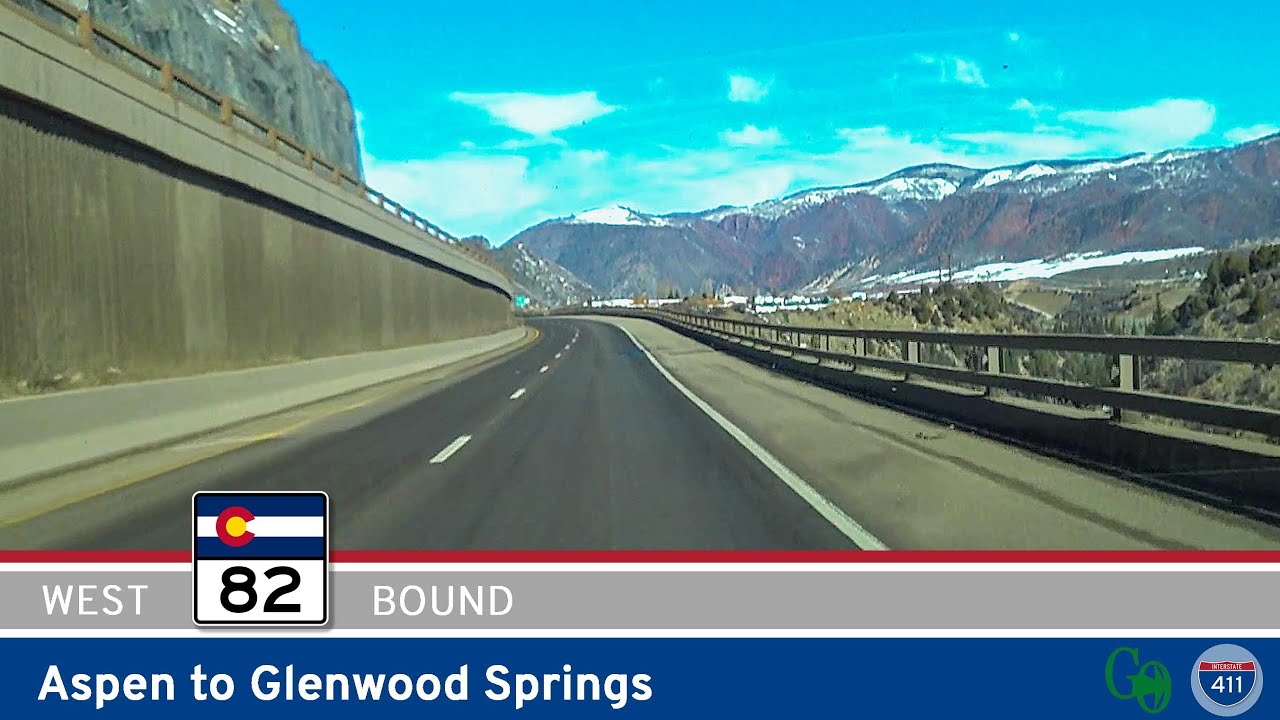
Colorado Highway 82: Aspen to Glenwood Springs

Colorado Highway 82: Aspen to Glenwood Springs

Experience the scenic beauty of Colorado Highway 82 as we travel 40 miles from Aspen to Glenwood Springs, passing through Snowmass, Basalt, and Carbondale along the Roaring Fork Valley.

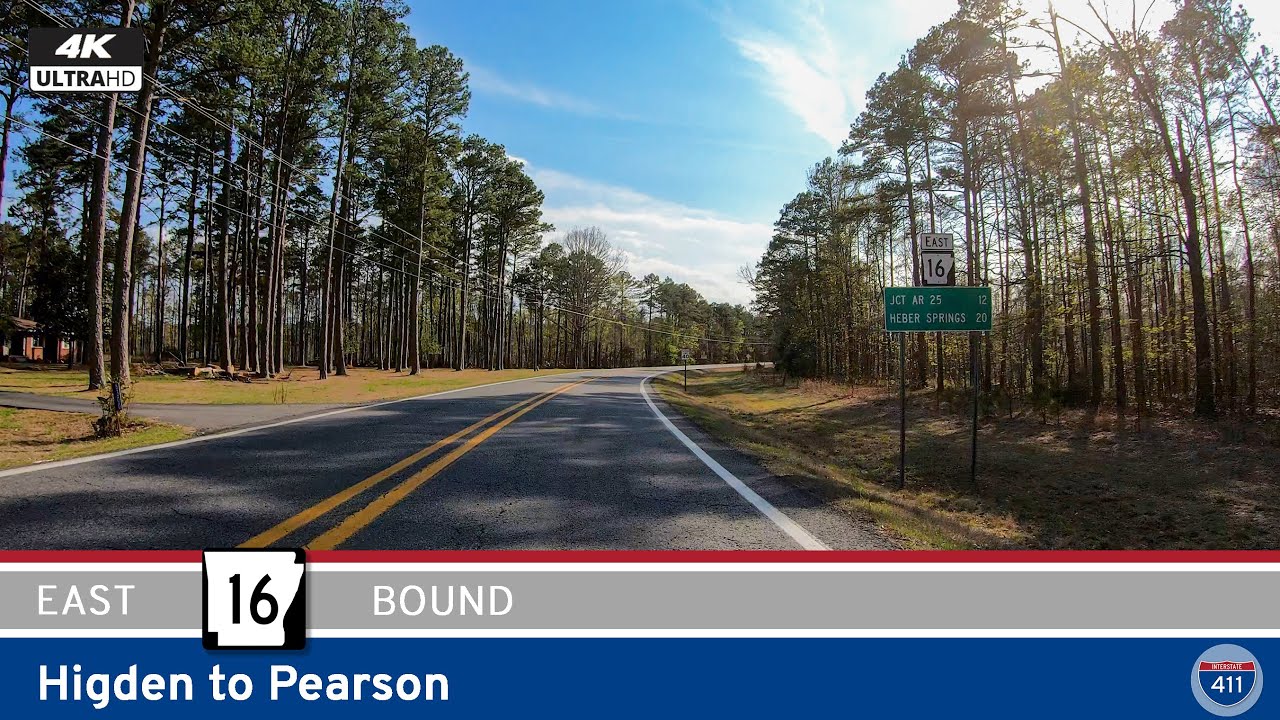
Arkansas Highway 16: Higden to Pearson

Arkansas Highway 16: Higden to Pearson

Enjoy a scenic 12-mile drive along Arkansas Highway 16 from Higden to Pearson, winding through wooded ridges and lakeside views near Greers Ferry Lake in north-central Arkansas.

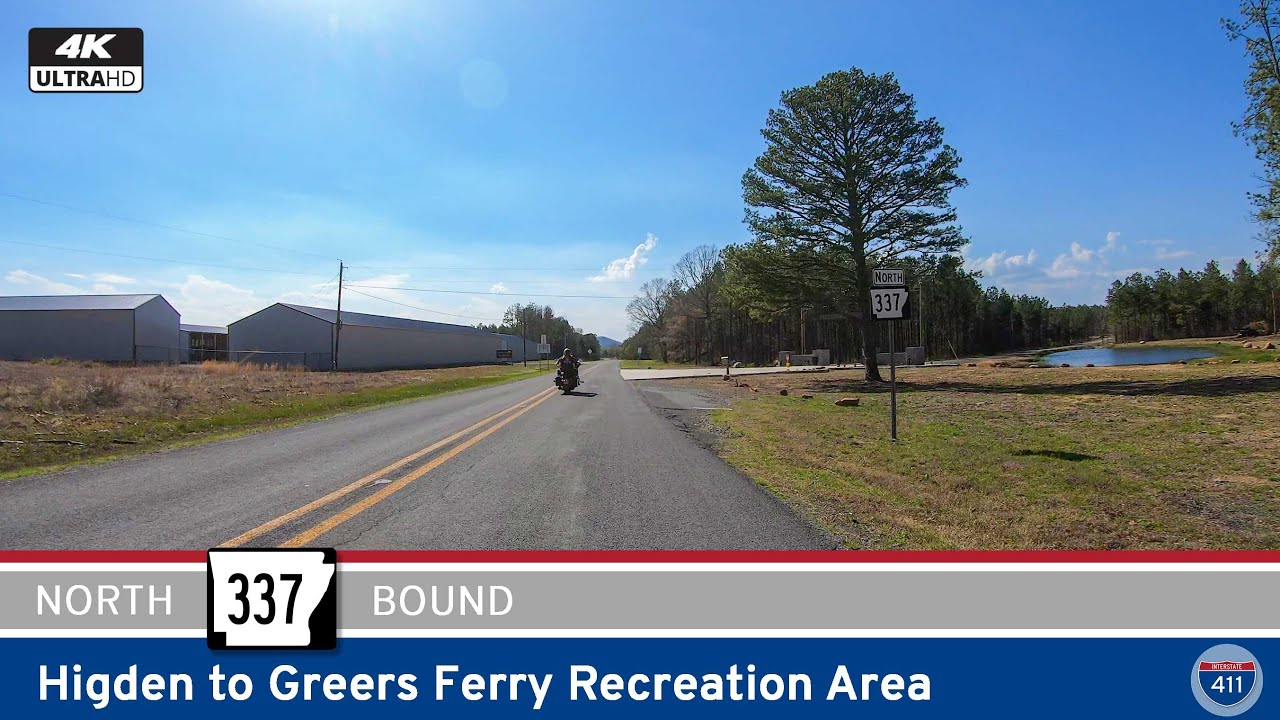
Arkansas Highway 337: Higden to Sugar Loaf Use Area

Arkansas Highway 337: Higden to Sugar Loaf Use Area

Take a short and scenic drive along Arkansas Highway 337 from Higden to the Sugar Loaf Use Area on Greers Ferry Lake. This 1.5-mile route offers peaceful views and direct access to one of Arkansas’s best lakefront recreation spots.

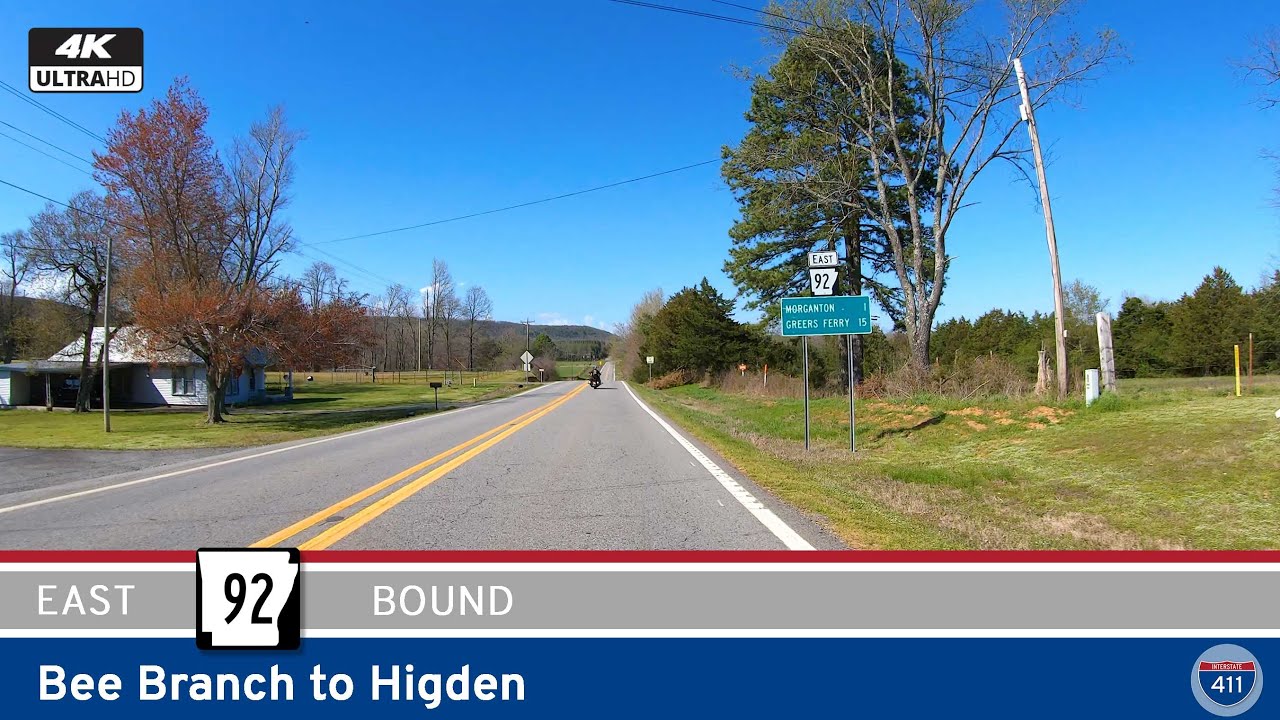
Arkansas Highway 92: Bee Branch to Higden

Arkansas Highway 92: Bee Branch to Higden

Cruise 13 miles through scenic north-central Arkansas along AR-92 from Bee Branch to Higden. Enjoy rural landscapes, lake access, and connections to Arkansas 337 and 16 near Greers Ferry Lake.

Arkansas Highway 92: Springfield to Center Ridge

Arkansas Highway 92: Springfield to Center Ridge

Cruise north for 8 miles along Arkansas Highway 92 from Springfield to Center Ridge, through scenic farmland and quiet communities in Conway County. Includes a concurrency with Highway 9 and views of rural Arkansas at its best.